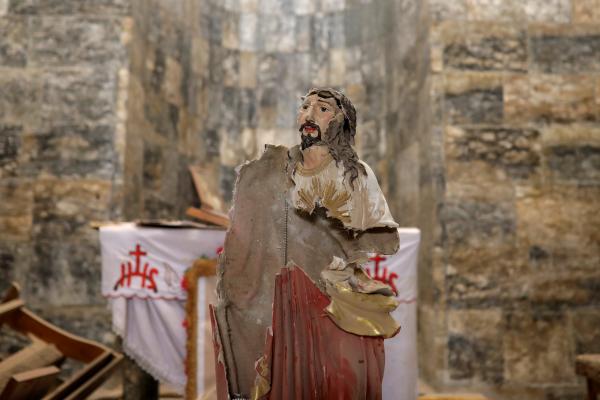
In the desecrated churches of Qaraqosh, Christians are busy removing graffiti daubed by the Sunni Muslim militants during two and a half years of control — only for new slogans to have appeared, scrawled by Shi'ite members of the Iraqi forces fighting street to street with the jihadists in Mosul.
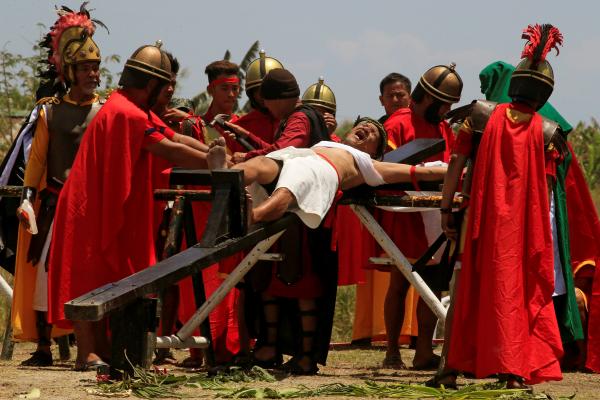
Nine Filipinos were nailed to crosses in three villages in the province of Pampanga, 80 km (50 miles) north of the capital, Manila, drawing hundreds of tourists despite the Catholic church's disapproval of what it sees as a form of folk religion.
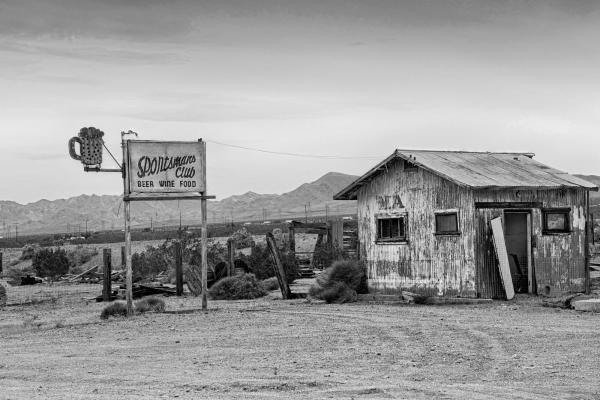
Seventy-eight years ago, John Steinbeck published The Grapes of Wrath. It’s since become a staple in high-school curricula, offering a glimpse into our nation’s troubled history. But its lessons are just as applicable today in our hyper-polarized climate, in which empathy is often found lacking.
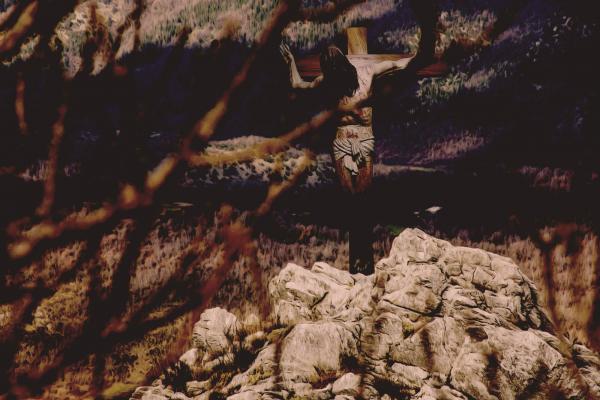
There was something about you there on that cross, that Good Friday.
There was something about your body there, about your manner.
Irony of all ironies, you were the “Son of God,” sent back to God by crucifixion.
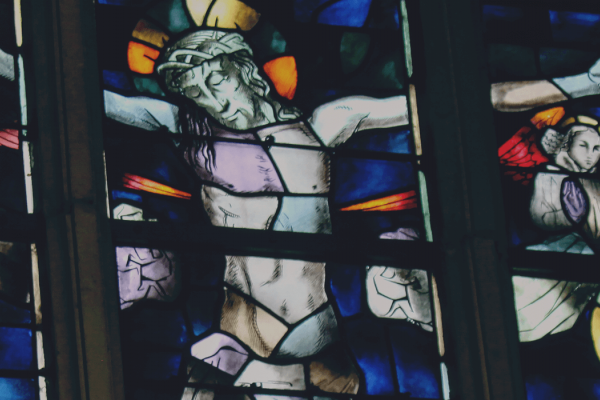
Submissive obedience is deeply embedded in Christian theology. The origin of sin is attributed to Adam and Eve’s disobedience in the garden. Jesus, by contrast, is described as “obedient unto death” — an example we are taught to emulate. God is depicted as all-powerful, all-knowing, a king and lord and father with relentless control over all things. And we — broken, limited, and prone to mistakes — are meant to trust God in all things, and give ourselves over completely to God’s divine power. This call to submissive obedience is exemplified, more clearly than anywhere else, in Jesus’ willing submission to torture and death on the cross.
Good Friday is an invitation for us, every year, to ask: What is actually good about Jesus’ death on the cross? What about it is salvific, and what is it saving us from?
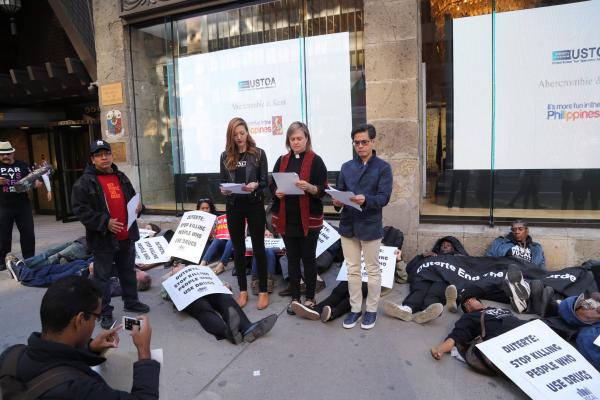
On April 10, New York Times journalist Daniel Berehulak received the Pulitzer for his photojournalism on the drug war in the Philippines. His gritty depiction of the killings in the Philippines, under President Rodrigo Duterte’s drug war, is perhaps fitting for Holy Week — calling to mind stark images of blood and crucifixion.
1. PHOTOS: Scenes from Holy Week Around the World
The Atlantic gathers stunning images as Christians around the world celebrate Holy Week and Easter.
2. The Civil Rights Luminary You’ve Never Heard Of
She was a poet, writer, activist, labor organizer, legal theorist, and Episcopal priest. Learn more about Pauli Murray in this great New Yorker piece.
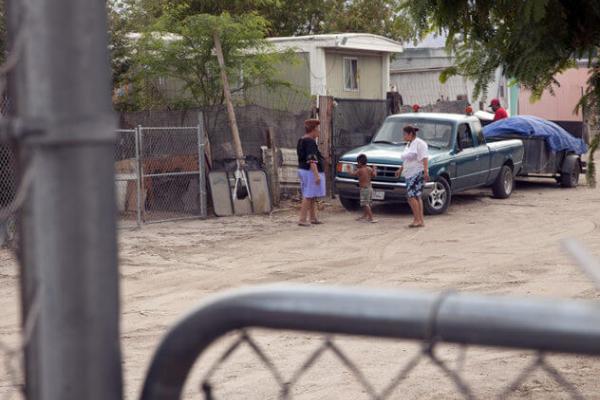
When I asked Father Guy Wilson what the children of immigrant parents are telling him, amid the current inundation with media chatter, political rhetoric, and executive action on the topic of immigration, tears welled up in his eyes and one fell on his clerical shirt.
“It’s hard,” he said. “They are so scared.”
“Some of the teenagers have told me: ‘My parents are good people. They have never even had a traffic ticket. Why would anyone want to take them away from me?’”
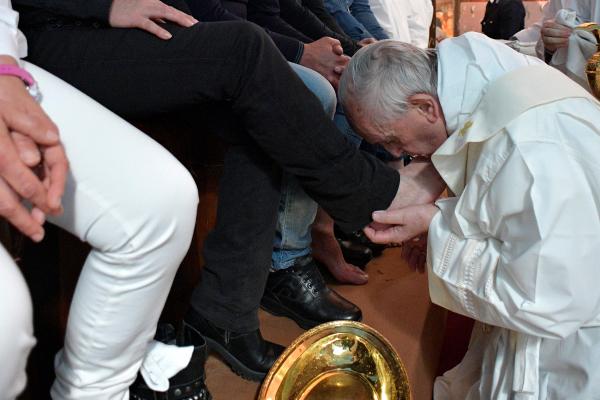
"We are all sinners. We all have defects," the pope told the inmates, in an improvised sermon broadcast by Vatican Radio.
By washing their feet, Francis told them, he was willing to do "the work of a slave in order to sow love among us". He urged them to help each other.
Two of the 12 are serving life sentences, and the others are due to be released between 2019 and 2073.

Someone lied. It’s more acceptable to say, “You’ve been bumped because the flight is overbooked,” than to say, “You’ve been bumped because we want your seat to fly our staff. That lie led to violence. Violence led to trauma for passengers, for millions of viewers, and for United, which sustained a $1.4 billion dive in stock value by Tuesday morning and now seems rested at a $255 million loss.