Share As A Gift
Share a paywall-free link to this article.
This feature is only available for subscribers.
Start your subscription for as low as $4.95. Already a subscriber?

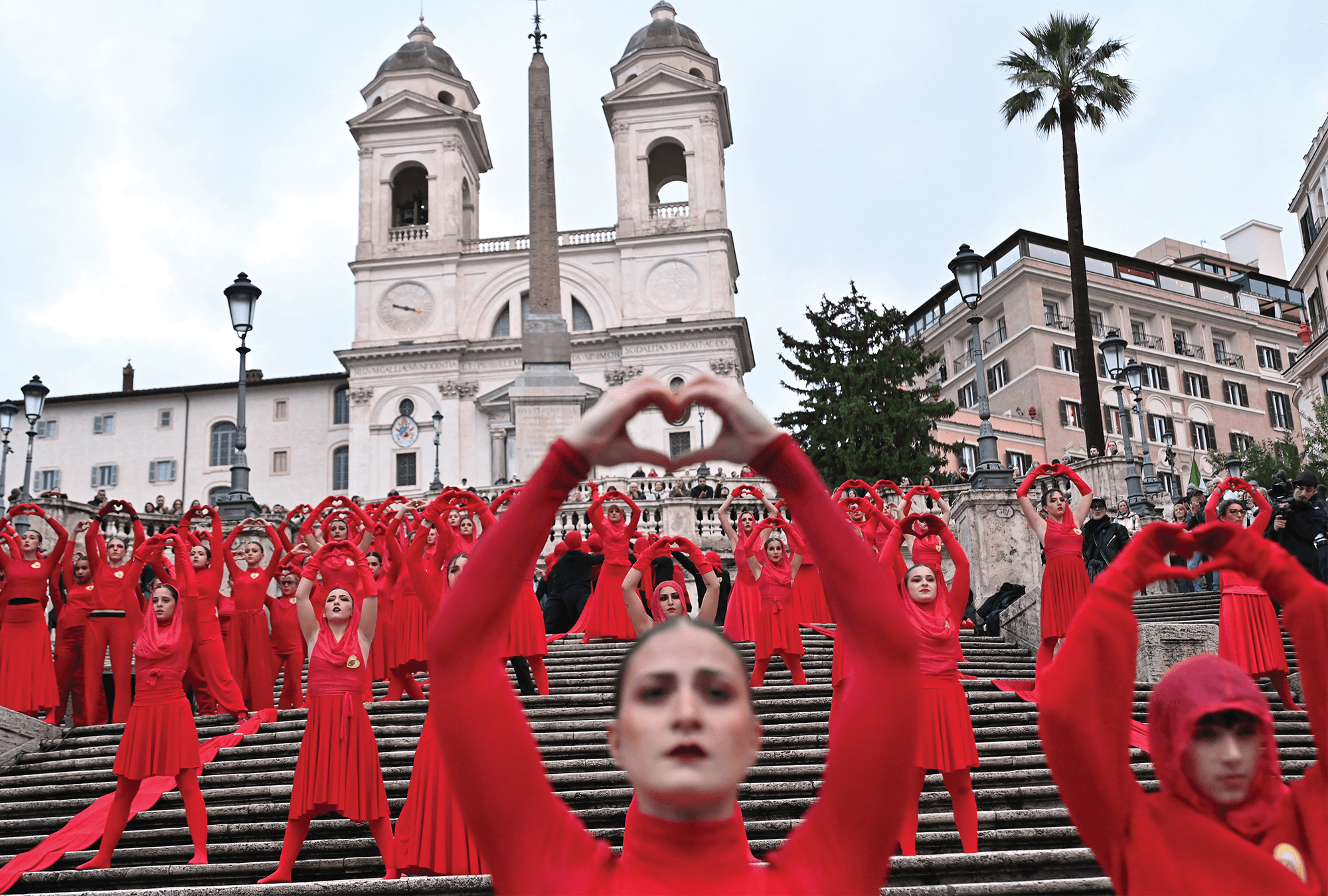
“HOLY HUSH” MEANS people of faith keep quiet about abuse, women don’t feel empowered to speak their truth, or families feel pressure to pretend everything is fine when it’s not. Part of the fear is that if we speak out, that means we’re not a forgiving community. Responding to abuse is about justice, accountability, and change, which often isn’t what those who act abusively want. They want quick forgiveness; this can be challenging to a religious leader who says, “It’s not my role to forgive. It’s God’s role. It’s the victim’s role.”
Religious women often feel they promised God to be faithful to the end. That’s where a religious leader can say, “You haven’t broken the covenant. The person who’s been abusive broke the covenant. Seventy times seven doesn’t mean someone can hit you over 400 times, say they’re sorry, and you say, ‘Let’s go back to life as it was.’”
“The fear is that if we speak out, that means we’re not a forgiving community.”
Religious women aren’t necessarily violated more than other women, but they are more vulnerable when it happens because of teachings that pressure them to keep family life looking perfect. I worked on one project where we took information on escaping domestic violence and put it in church bathrooms, because that was the only place in the church women felt safe to take something without other people seeing.
We should try to pave the pathway between the steeple and the shelter so that shelter workers feel comfortable calling a rabbi, pastor, or woman leader of any faith tradition to collaborate, and churches feel comfortable participating in the shelter or advocacy movements. As people of faith, we underestimate our role in augmenting the journey of victims of abuse.
Nancy Nason-Clark spoke with Sojourners associate editor Josina Guess.


Nancy Nason-Clark is a retired professor of sociology. She founded the Religion and Violence e-Learning team (theraveproject.org) at the University of New Brunswick in Canada.
Did this article have an impact on you? Tell us how! Whether you’re moved to take action, have a question, or want to share a comment (good or bad), we value your feedback!
